Only Available for Short Courses

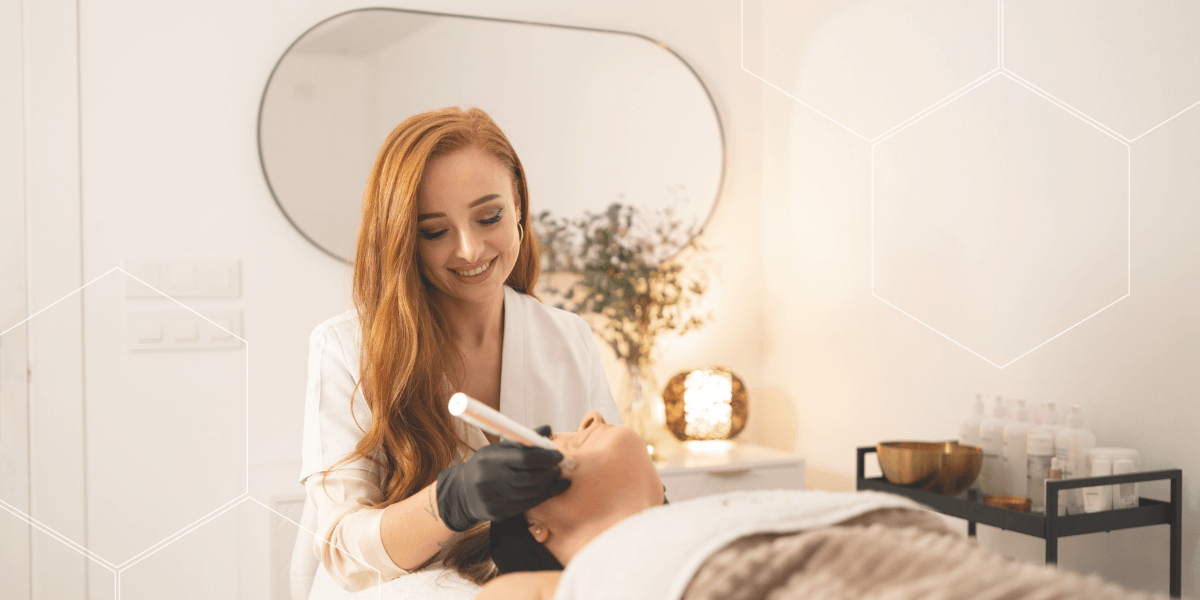
Skin needling, also known as microneedling, has quickly become one of the most in-demand treatments in the dermal therapy world due to its extensive list of benefits. Looking to pursue youthful and glowing skin, those who have received skin needling treatments have seen remarkable results and improvement in a multitude of skin concerns.
This treatment uses the body’s natural healing functions to improve skin quality, texture, elasticity, and volume. In comparison to other treatments, skin needling is often minimally invasive and requires little to no downtime. Combined with its effectiveness compared to other more invasive procedures is undoubtedly why this treatment is rising in popularity.
Whether you’ve seen it on social media, heard it from a friend, or seen it offered at skin clinics, it’s clear this treatment has moved from specialised to mainstream. But why? And what should you know before diving into your sessions?
Let’s explore everything from the benefits to the science, lifestyle adjustments, pairing skincare products, and how might you incorporate it in the future as a qualified dermal therapist.
At its core, skin needling works by using tiny sterile needles to create controlled micro injuries in the skin. These work to stimulate the body’s natural healing processes, which include stimulating production of collagen and elastin (two of the skin’s essential structural proteins), as well as growth factors, to enhance skin health and volume. The result is smoother, brighter skin and a reduction in lines and wrinkles caused by thinning and loss in elasticity. Skin needling is also often used to address scarring, as it breaks up the excess fibrous tissue formed in acne scarring and other tissue injury.
The number of sessions needed to see results will vary depending on the goals of the individual. Scheduling regular treatments ensures the best outcomes and helps you achieve compounding improvements over time.
As we age, collagen production naturally decreases. According to a study by Journal of the Royal Society of Medicine (JRSM), people lose approximately 1% of collagen each year. Skin needling combats this by boosting collagen and elastin production. Even after a single session, you may notice an overall enhancement to your skin’s tone and texture. This is because skin needling is clinically proven to resurface and refine the skin, stimulating up to 100% more collagen in a single session.

While your skin naturally heals and regenerates, the healthy glow may fade over time. Regular treatments will help maintain these improvements and support a noticeable transformation over the long term. With consistent sessions, skin needling offers a wide range of long-term benefits, including:
We are quick to mention the impact it has on our skin health, but did you know this treatment can have a positive effect on our mental health?
The controlled needling process stimulates the release of endorphins, the body’s natural “feel-good” hormones that help elevate mood, relieve tension, and promote relaxation. The rhythmic motion of the needles across the skin can create a calming effect, making each session a moment of mindfulness and tranquillity amid daily stress.
Beyond the visible improvements in skin tone, texture, and overall appearance, the result can also boost self-confidence. As skin needling enhances the way you look, it can significantly elevate self-esteem, helping you feel more confident in your everyday life.
To achieve the best outcome from skin needling, it’s all about how you prepare your skin, how you care for it afterwards, and how consistent you are with your routine.
Before your treatment start, prepare your skin properly. This helps ensure you get the most of every session.
Each session of your skin needling treatment builds on the last. Most experts recommend an initial series of 3-6 treatments spaced between 4-6 weeks apart with continued maintenance session every 3-6 months.
In this in-between period, adjusting your habits is recommended to make the most of your treatment. Because your skin is in a constant cycle of repair, the way you treat your body, inside and out, directly influences the quality and speed of your results.
Having a balanced diet can support collagen production. Foods high in vitamin C, zinc, omega fatty acids, and antioxidants can help with strengthening the skin from within and enhance the effects of each session.
Drink plenty of water to improve the elasticity and support post-treatment healing. Getting 7-9 hours of sleep per night will also allow your skin to regenerate more effectively.
Following proper aftercare is key to achieving the best results of your treatment.
In the first 48 hours after your session, your skin is particularly vulnerable. As collagen is triggered and the skin begins to repair, your goal is to keep everything soothed, clean, and protected.
Before your treatment start, prepare your skin properly. This helps ensure you get the most of every session.
Ingredients to look out for in skincare products to use post-treatment:
Skin needling has gained significant popularity in recent years, fast becoming a mainstream treatment in both clinics and on social media.
The cosmetic market is expected to reach roughly 1.886 billion USD by 2034. Demands for minimally invasive procedures like skin needling are also increasing with 63% of dermatology clinics offering it as part of their regular treatments. This is mainly because clients are shifting towards preventative methods rather than drastic surgical or corrective changes, as well as a growing preference to get visible results without serious downtime.
With rising demand for safer, more subtle procedures, it’s clear why skin needling is set to be a leading beauty trend in 2026.
Skin needling demand is quickly rising, and clinics are looking for more qualified practitioners. The industry is actively closing the gap between client needs and the number of trained dermal therapists available, which makes now the perfect time to step into this growing field. If you see yourself being one of the experts performing skin needling (among many other non-surgical cosmetic treatments), studying with ACHW will equip you with the skills needed to do just that.
The Australasian College of Health and Wellness is the leading education provider in dermal therapy and clinical aesthetics. Our curriculum is continuously updating to reflect new technologies, treatment standards, and industry expectations, preparing you to stand out from the greater dermal therapy industry.
If you want to be one of the experts providing skin needling and similar advanced treatments, we encourage you to learn more about our higher education programs:
If you’d like to begin by deepening your understanding of this treatment specifically, our Chemical Peels and Skin Needling online short course offers the perfect introduction to foundational techniques and theory.

